
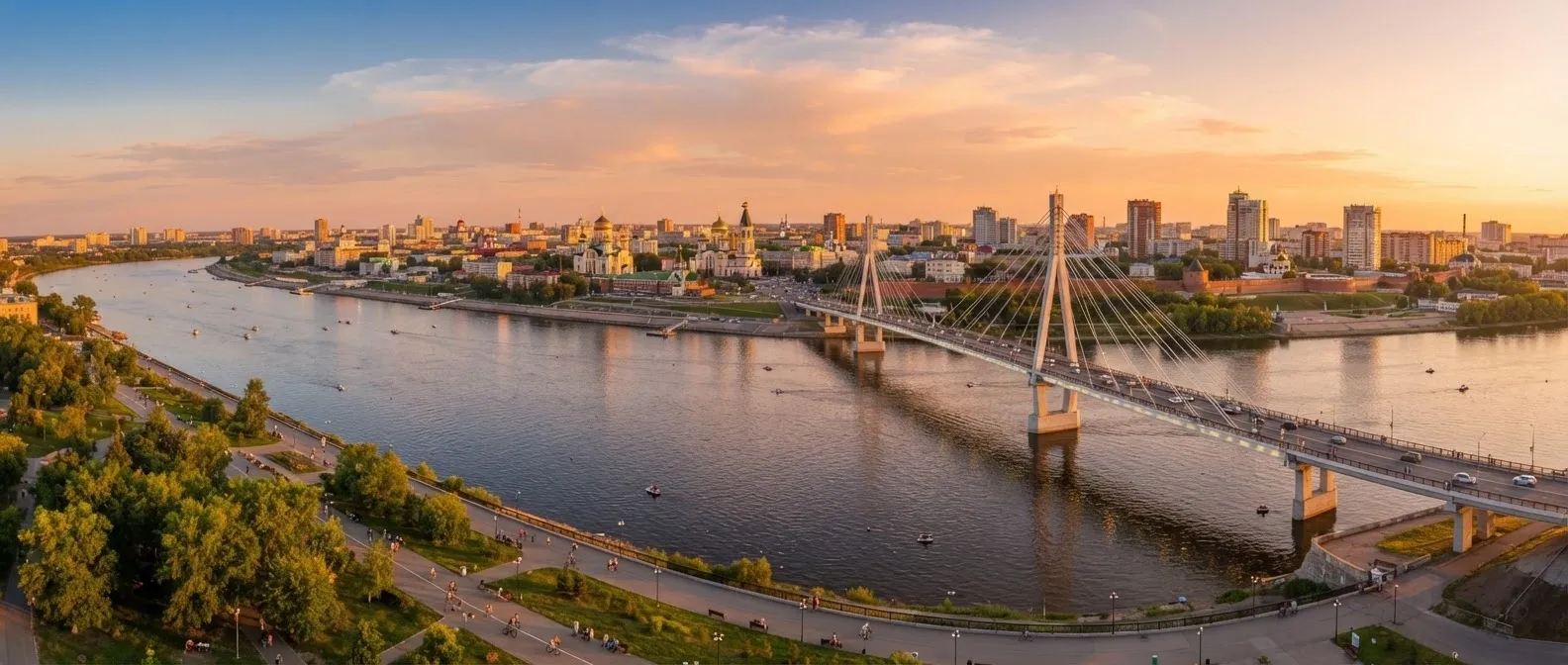
Discover Omsk
A city where Siberian spirit meets centuries of history — explore the finest attractions on the banks of the Irtysh.
Omsk at a Glance
Omsk is Russia's third-largest city, a proud cultural and industrial hub in Western Siberia. Founded in 1716 as a fortress on the confluence of the Om and Irtysh rivers, it today blends tsarist-era grandeur with vibrant contemporary life — offering visitors grand Orthodox cathedrals, leafy promenades, world-class theatre, and warm Siberian hospitality.
Top Attractions
From sacred Orthodox landmarks to vibrant cultural venues, Omsk has something for every curious traveller.
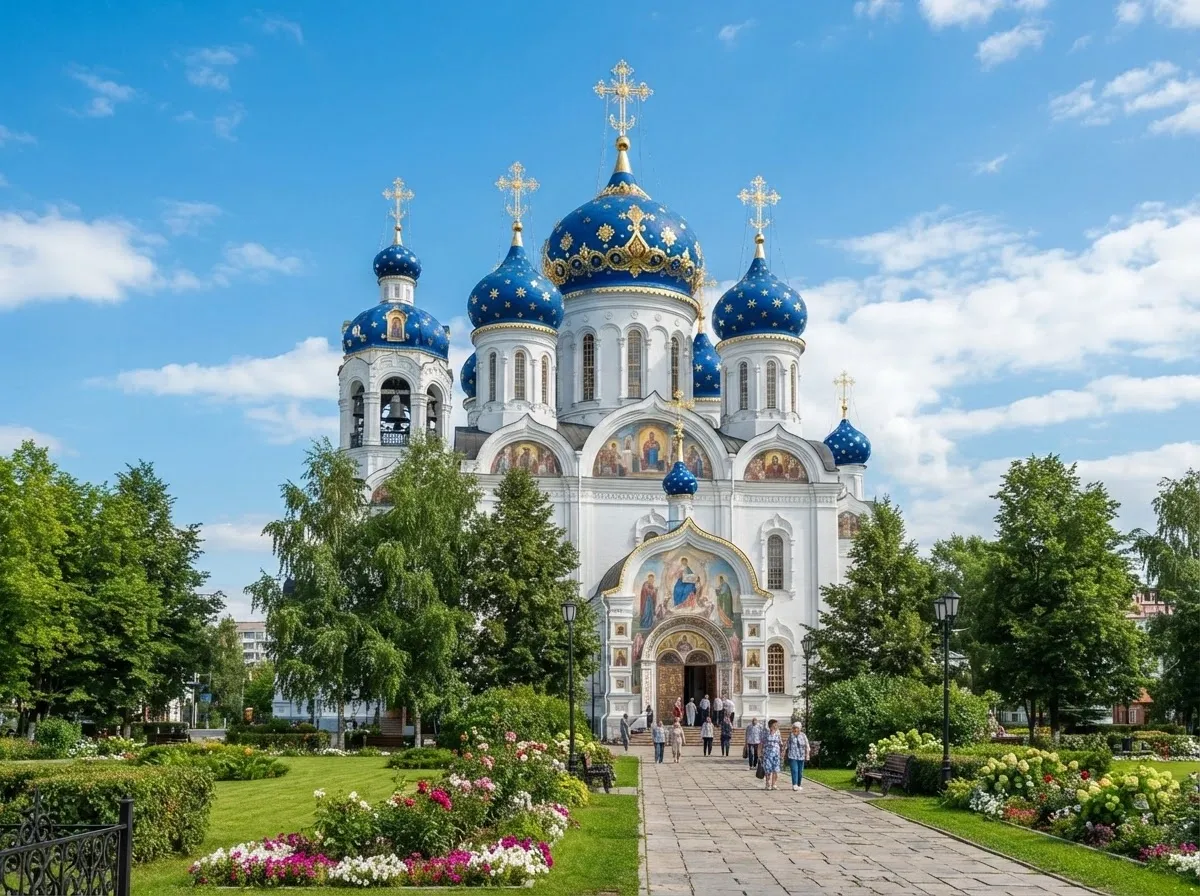
Assumption Cathedral
A gleaming white-and-blue Orthodox cathedral at the city's heart, rebuilt in 1891 and among Omsk's most beloved landmarks.
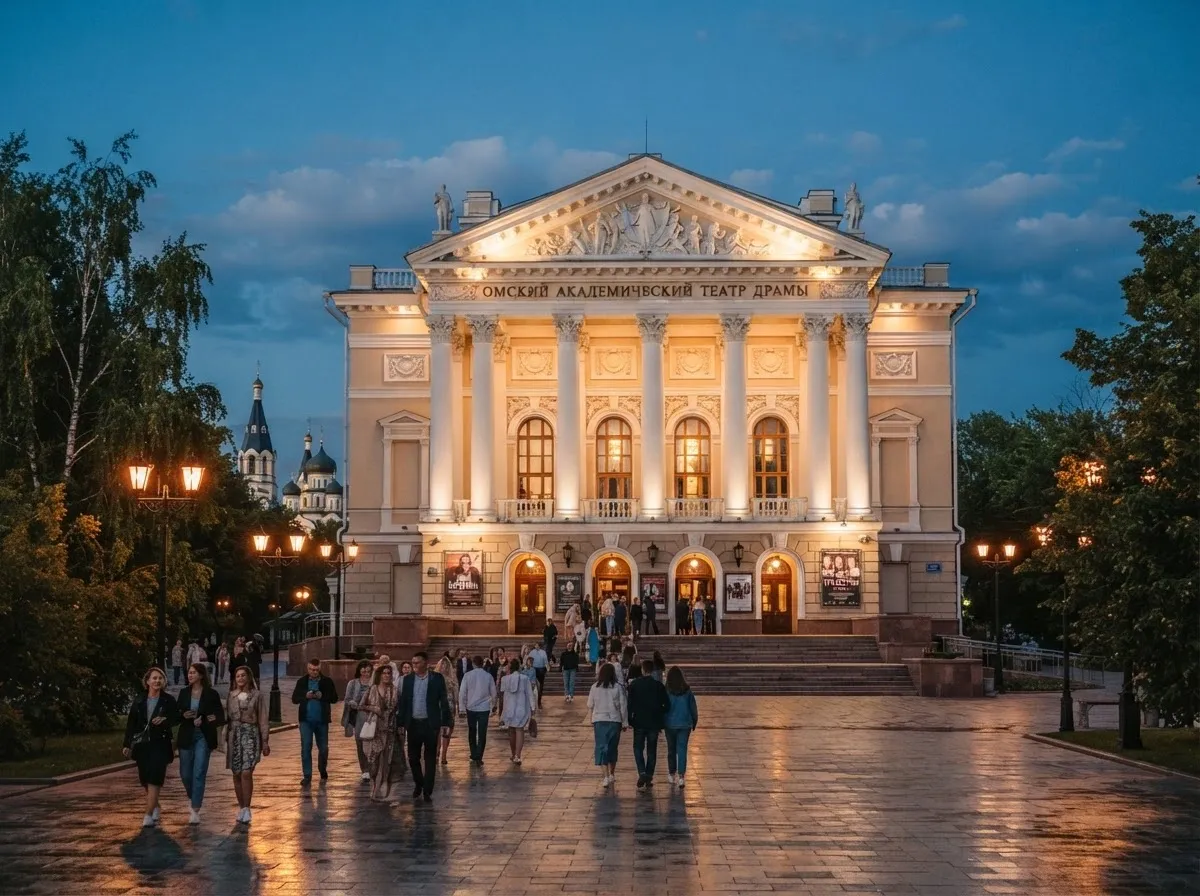
Academic Drama Theatre
One of Russia's oldest theatres, presenting world-class drama in a magnificent neoclassical building since 1874.
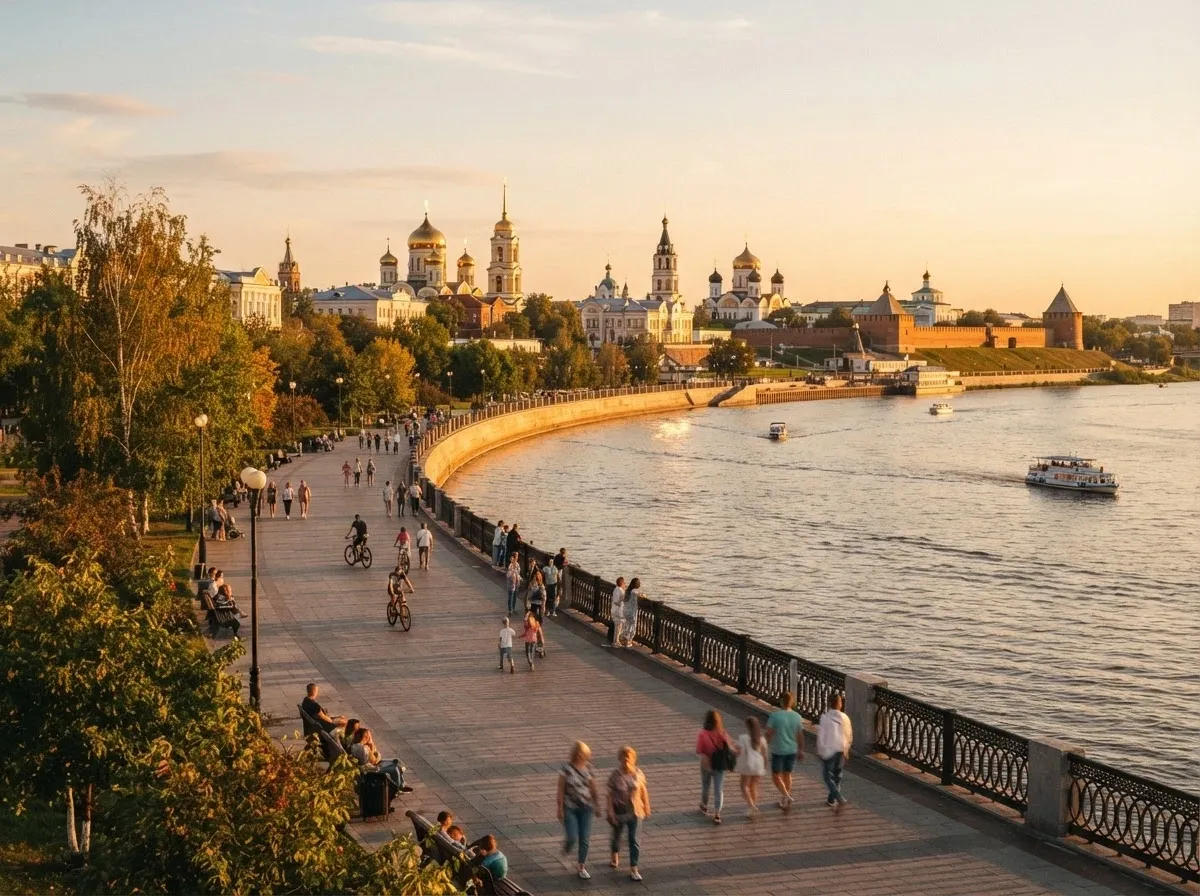
Irtysh Embankment
A sweeping riverside promenade perfect for leisurely strolls, with panoramic views of the Irtysh River and city skyline.
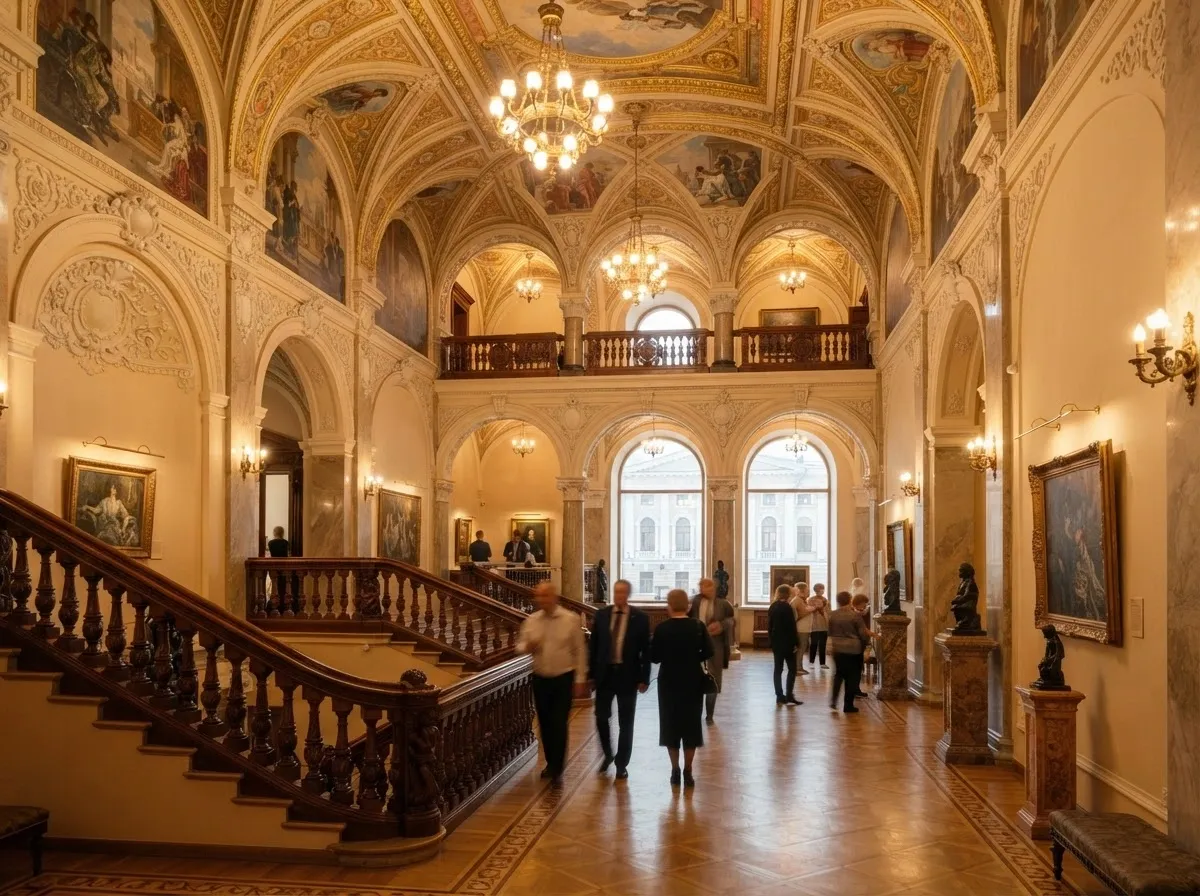
Museum of Fine Arts
Siberia's richest art collection, featuring Russian masters alongside European paintings spanning five centuries.
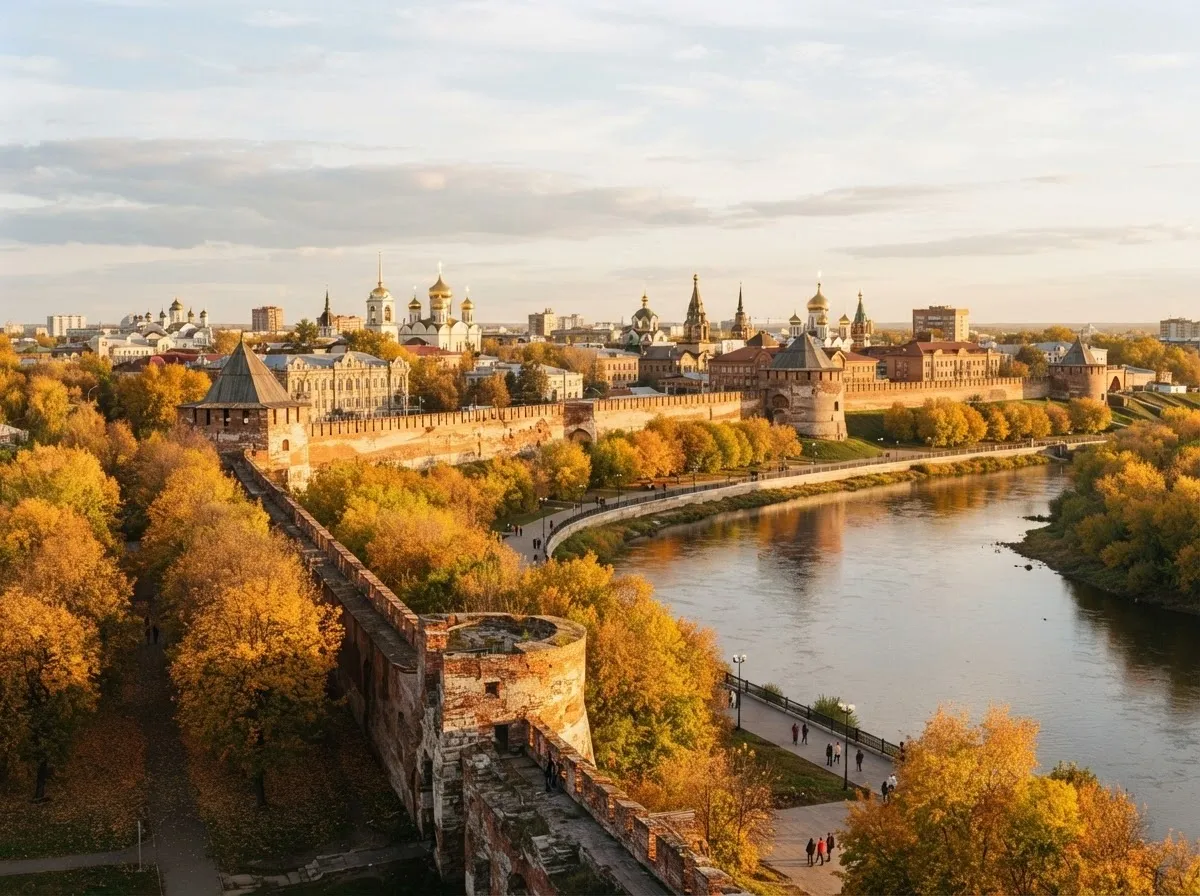
Omsk Fortress
The original 18th-century fortress that gave birth to the city, now a heritage site with reconstructed gates and ramparts.
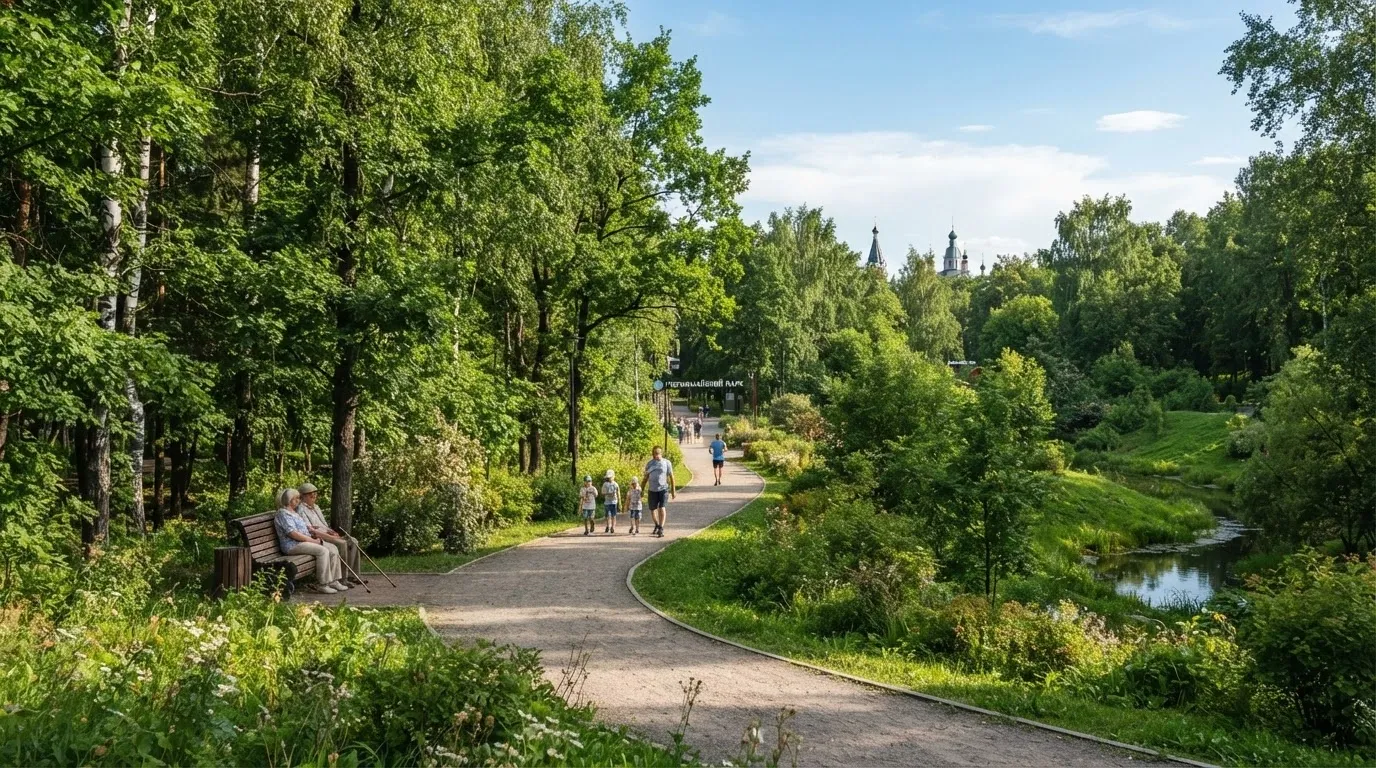
City Parks & Gardens
Omsk's lush parks, including the beloved Pobeda Park, offer serene birch groves and seasonal flower gardens for all.
History & Geography
Founded on the Frontier
Omsk was established in 1716 when a Russian military expedition built a wooden fort at the confluence of the Om and Irtysh rivers. It served as a key outpost in Russia's expansion into Siberia, and by the 19th century it had grown into the administrative capital of Western Siberia — home to Dostoevsky during his exile, and a major stop on the Trans-Siberian Railway.
During the Russian Civil War (1918–1920) Omsk briefly served as the capital of the Russian Provisional Government. Today's city preserves many of those layers: tsarist-era architecture, Soviet civic monuments, and a thriving modern culture of arts and technology.
Location & Geography
Omsk sits at 55°N latitude in the south of the West Siberian Plain — a vast, flat landscape of steppe and birch forest. The city straddles the Irtysh, one of Siberia's great rivers, which flows 4,248 km from the Altai Mountains to the Arctic Ocean. Omsk's continental climate brings warm summers (up to 35 °C) and crisp, snowy winters (down to −30 °C), with crisp autumn foliage that transforms the city each October.
With a population of over 1.1 million, Omsk is Russia's third-largest city — a regional powerhouse for petrochemicals, aerospace, and defence manufacturing, alongside a rich cultural and educational scene anchored by seven universities.
Omsk at a Glance
1716
Year Founded
1.1M
Population
#3
City in Russia by Size
7+
Universities
Plan Your Visit
Everything you need to know before arriving in Omsk.
Getting There
Omsk Central Airport (OMS) connects to Moscow, St. Petersburg, and regional Siberian cities. The Trans-Siberian Railway stops at Omsk station, linking the city to the whole of Russia.
Best Time to Visit
Late May through September offers warm, pleasant weather ideal for exploring outdoor attractions. September and October bring spectacular golden foliage along the riverbanks and in city parks.
Local Currency & Language
The Russian Ruble (RUB) is the local currency. Russian is the primary language; English is spoken in larger hotels and tourist venues. A translation app is handy for local markets.
See Omsk Through the Lens
Browse our photo gallery for a visual journey across Omsk's streets, landmarks, and seasons.